A Unique Site, A Sensitive Context
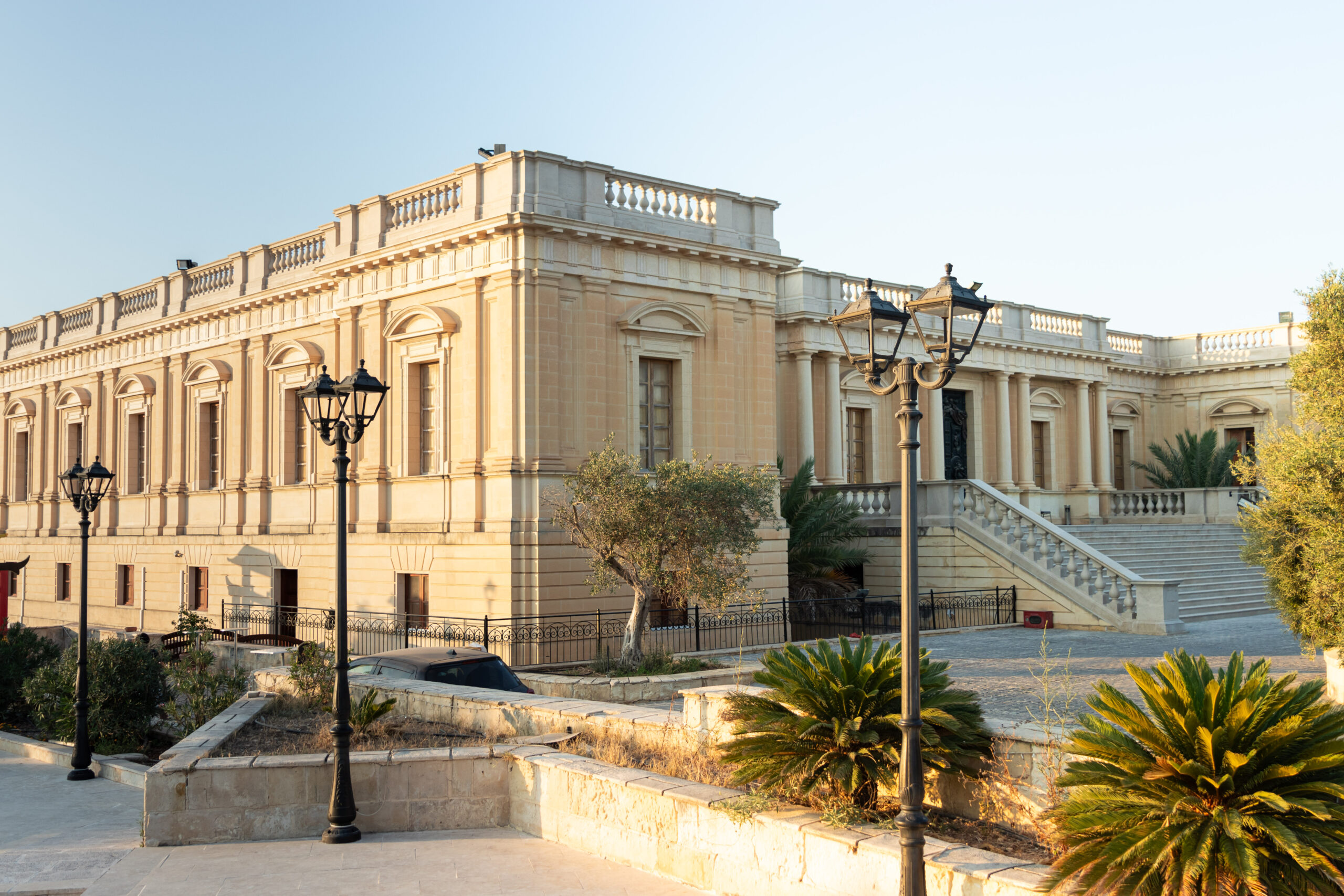
The Montekristo Estate is a large and complex site, long associated with recreation and events. However, in recent years, its role, and its future, have come under scrutiny. Located in an area surrounded by industrial activity, the site presents a rare opportunity to redefine a piece of Malta’s landscape in a way that contributes meaningful public value.
Rather than viewing the estate as a static zone for entertainment, we see it as a living opportunity: a space that can evolve from recreation into something more productive, restorative, and socially relevant.
Directing Large-Scale Projects with Care
Sites of this scale carry immense potential, but they also come with heightened responsibility. Montekristo has the capacity to become a green lung for the region – restoring ecological balance, offering natural respite, and enhancing quality of life in an area otherwise dominated by hardscape and industry.
As Colin Zammit, Founder of Maniera Architects, explains:
“In a country where open spaces are scarce, this site has the potential to serve as a much-needed green lung. Surrounded by industrial development, it offers a unique opportunity to restore balance and to support future educational initiatives, such as vocational training in veterinary studies.”
His view reflects the firm’s broader philosophy: large-scale development should never be a missed opportunity. With the right planning, sites like Montekristo can move beyond their legacy uses and evolve into assets that serve the community in tangible ways, environmentally, socially, and educationally.
Connecting Education, Environment, and Community
The estate’s existing scale and structure lend themselves to more than leisure. With the right vision, Montekristo could serve the educational and civic needs of the island. Vocational courses in veterinary studies, such as those planned at MCAST, could find a home here, bridging education with real-world infrastructure and reinforcing Malta’s knowledge economy.
By aligning the site’s future with national priorities in skills development, green infrastructure, and community wellbeing, we begin to move beyond architectural form, and into architecture as civic strategy.
A Philosophy of Architecture that Serves
For us, projects of this scale underline the deep responsibility that comes with architectural practice. Sustainability, accountability, and relevance to real community needs must guide how spaces are planned, adapted, and experienced.
Architecture is never only about buildings. It’s about how those buildings connect with their context, support the people who use them, and contribute positively to the wider social and environmental fabric.
We believe that by working collaboratively with stakeholders, authorities, and local communities, large sites like Montekristo can be repositioned to offer long-term benefit, rather than short-term gain.
Our Role and Our Ongoing Commitment
Maniera Architects is actively engaged in helping shape a forward-looking vision for the site. one that protects its potential, ensures community benefit, and aligns with national environmental and educational strategies. While our role is strategic and advisory, our purpose is clear: to guide responsible transformation.
Our mission remains constant – to deliver design that is intelligent, sustainable, and anchored in long-term value. Through thoughtful planning and transparent dialogue, we continue to advocate for a built environment that respects Malta’s heritage, supports its people, and serves future generations.
Final Thoughts
Malta’s spatial future requires more than policy – it demands vision, responsibility, and architectural leadership that puts people and place first. At Maniera Architects, we believe the built environment should inspire connection, foster community, and serve a purpose beyond its walls.
In today’s digital age, this responsibility carries new weight. The challenge is to create spaces that encourage people to look up from their screens, to engage with their surroundings, and to rediscover the value of shared experiences. Open spaces that fall short of this are missed opportunities – but with thoughtful, sustainable design, architecture can bring people back to what matters most: connection, community, and place.