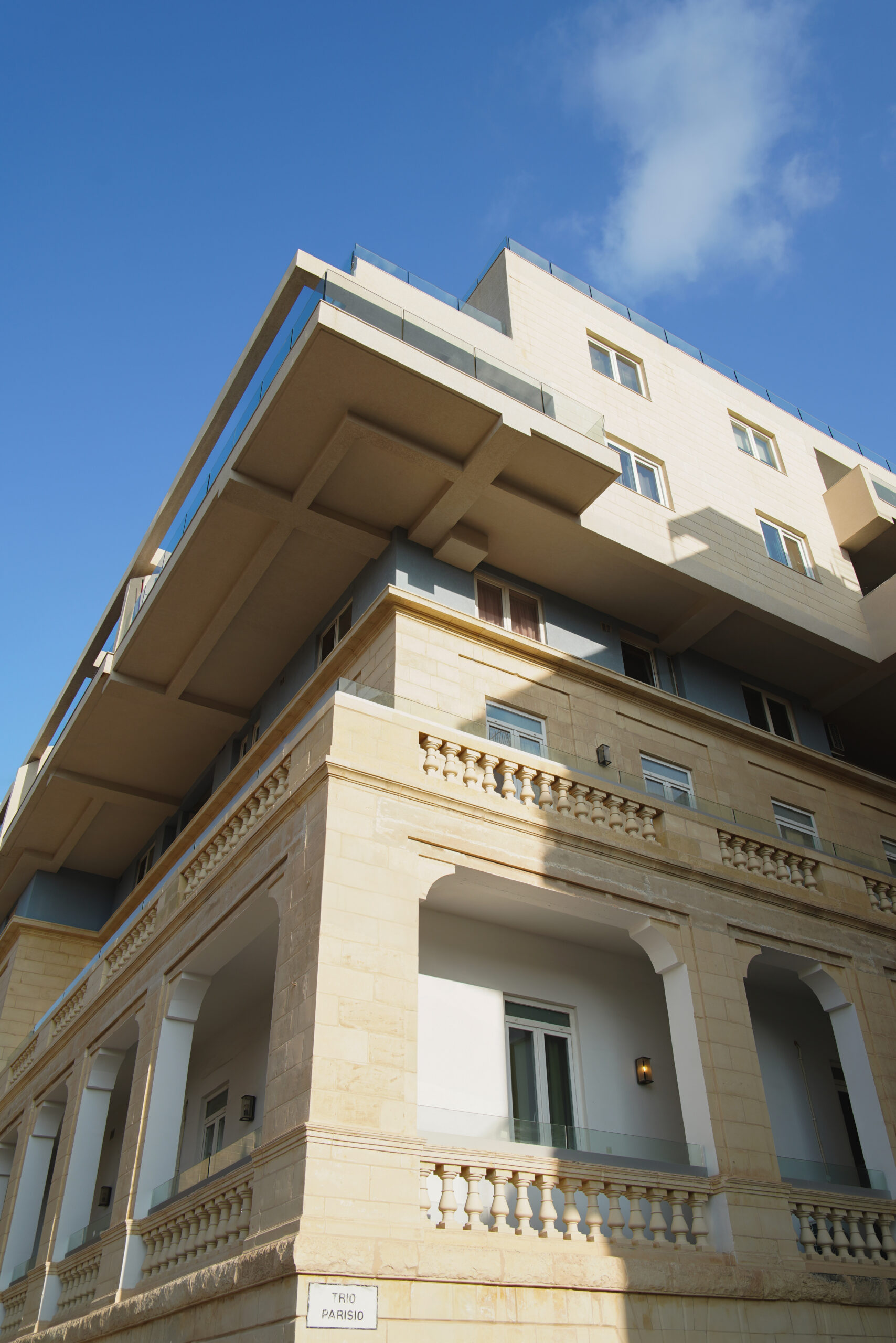
At Maniera Architects, we see architecture as both a design discipline and a strategic practice. The architect’s role extends well beyond drawing plans or shaping façades; it involves advising, questioning, and guiding decisions that shape a project long before construction begins.
Setting Direction Before Design
Every successful project starts with understanding context. This includes the physical characteristics of a site, but also its regulatory framework, its economic realities, and its social and environmental implications. Strategic thinking at this stage allows potential challenges to be identified early and opportunities to be unlocked responsibly.
Advisory input can influence whether a site is suitable for development at all, what scale is appropriate, how it should relate to its surroundings, and how it can deliver long-term value rather than short-term returns. These are decisions that cannot be resolved through aesthetics alone.
In many cases, the most important design choices are made before a single line is drawn.
Navigating Complexity
Malta’s built environment is shaped by dense urban conditions, sensitive sites, and a complex planning landscape. Projects often sit at the intersection of regulation, community interest, environmental responsibility, and commercial viability. In this context, the architect’s role as an advisor becomes essential.
Strategic architectural guidance helps clients navigate these layers with certainty. It allows informed decisions to be made regarding planning pathways, phasing, feasibility, and compliance – all while maintaining design integrity. Rather than reacting to constraints, a considered approach anticipates them and works with them intelligently.
This process fosters trust, transparency, and efficiency, ensuring that projects progress with fewer surprises and stronger foundations.
As Caden Zammit, Structural Engineer and Partner at Maniera Architects, explains:
“Good architecture starts with asking the right questions. Before design, there has to be clarity – about context, constraints, and long-term intent. That’s where real value is created.”
Architecture as Long-Term Thinking
Buildings shape cities for decades, often generations. Strategic architectural thinking ensures that development responds not only to immediate needs, but to future realities. This includes adaptability, sustainability, durability, and relevance over time.
When architects act as advisors, they are better positioned to ask critical questions: How will this building age? How will it be used five, ten, or twenty years from now? What impact will it have on its surroundings, its users, and the wider urban fabric?
These questions guide decisions that influence environmental performance, operational efficiency, and social value – outcomes that cannot be achieved through design in isolation.
Beyond Buildings: Architecture as Civic Responsibility
Architecture does not exist in a vacuum. Every project contributes to the collective experience of a place, whether positively or negatively. Strategic architectural advisory recognises this responsibility and seeks to align individual projects with broader civic and environmental considerations.
This approach encourages dialogue with stakeholders, authorities, and communities, ensuring that architecture contributes meaningfully rather than disruptively. It also allows projects to support wider objectives such as public amenity, improved liveability, and responsible land use.
In this sense, architecture becomes a form of stewardship, guiding development in ways that respect both place and people.
A Collaborative, Advisory Approach
At Maniera Architects, collaboration is central to how we work. Advisory architecture is not about control, but about partnership. By working closely with clients from the earliest stages, we are able to provide insight that supports informed decision-making and aligned outcomes.
This process balances creativity with pragmatism, ambition with responsibility, and vision with feasibility. It ensures that design is not an isolated exercise, but part of a coherent, strategic journey from concept to completion.
Looking Ahead
As the demands placed on the built environment continue to evolve, the architect’s role must evolve with them. Strategic thinking, advisory insight, and long-term responsibility are no longer optional; they are essential to delivering architecture that genuinely adds value.
For us, design and strategy are inseparable. Architecture is at its strongest when it is guided by intelligence, clarity, and foresight, shaping spaces that are not only well-designed, but well-considered.
In embracing the role of advisor, architects have the opportunity to guide more thoughtful development, support better decisions, and contribute to a built environment that serves both present needs and future generations.